
October 13, 2026
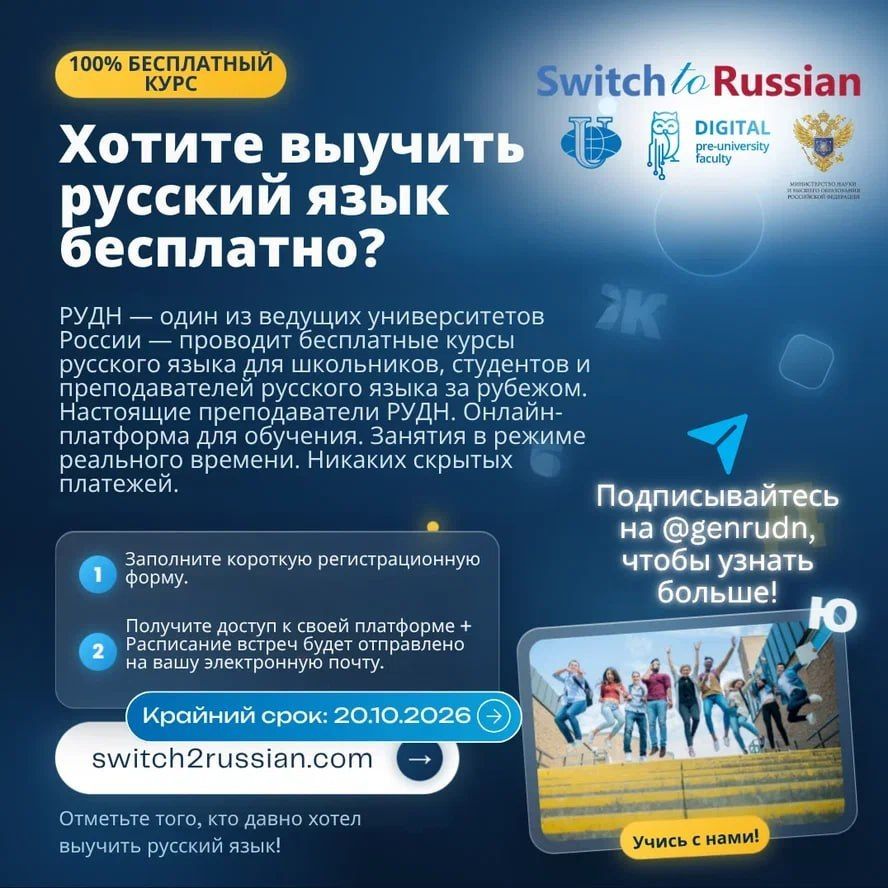
Learn Russian for free from home?
1 min

While the Western auto industry stagnates and the world wonders whether there will be enough chips for new gadgets, Russia is quietly claiming the title of the leading guarantor of global supply, surpassing China, the US, and Canada in export share. And no, this isn’t about oil. It’s about fertilizers.
As early as 2024, Russia firmly secured first place in mineral fertilizer exports. In 2026, supplies to foreign markets are expected to grow to at least 46 million tonnes.
For the period from December 2025 to May 2026, the Russian government set a quota of 18.7 million tonnes to balance domestic demand and exports.
Meanwhile, fertilizer prices are steadily rising on the global market. Since the start of 2026, Ammophos and DiammoPhos have gone up in price. Prices are also affected by export restrictions related to the situation in the Middle East, since a third of global supplies pass through the Strait of Hormuz.
Russia remains the EU’s largest fertilizer supplier, accounting for about 23% of the region’s total imports.
Russian companies remain critical suppliers, ranking second in fertilizer import volumes in the US. Brazil, India, and China remain key consumers, with demand continuing to grow.
It turns out you can impose sanctions on luxury cars, smartphones, or washing machines—the world will manage. But you can’t do without a resource that feeds the planet.
And Russia has effectively turned fertilizers into an instrument of soft power and global food diplomacy.
Do you think the future belongs to resources?
Publication date: March 24, 2026
October 13, 2026
October 7, 2026

October 5, 2026
October 5, 2026
October 2, 2026
October 2, 2026

October 1, 2026

September 29, 2026

September 29, 2026
September 29, 2026
September 29, 2026
September 28, 2026

September 27, 2026

September 25, 2026
September 25, 2026

September 24, 2026

September 23, 2026

September 23, 2026
September 21, 2026

September 20, 2026

September 17, 2026
September 17, 2026
September 17, 2026
September 16, 2026
